Aerodynamics: The Science of Flight and Air Motion
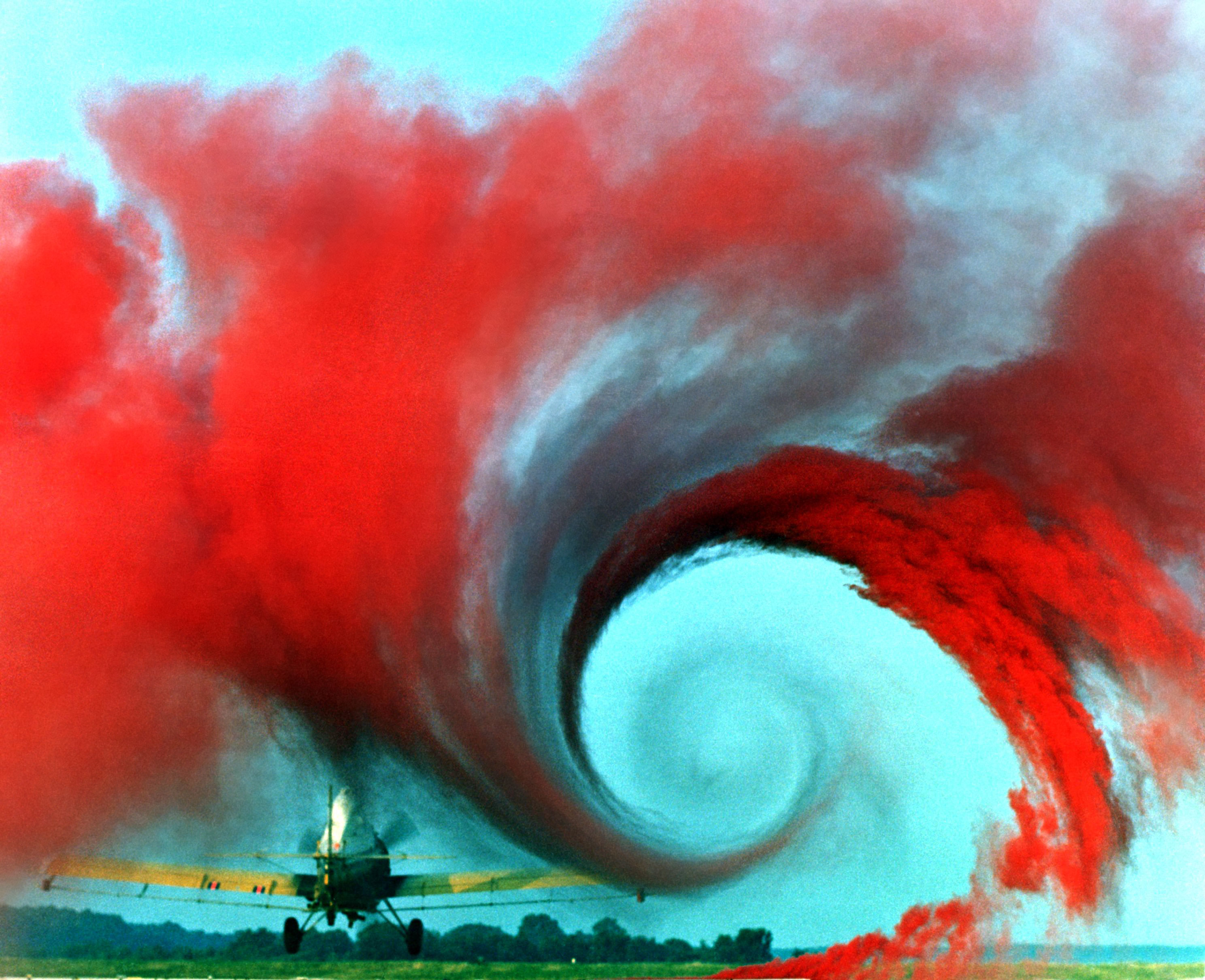
Aerodynamics is the crucial study of air's motion, especially its interaction with solid objects like airplane wings, forming a cornerstone of aeronautics. While humans have harnessed aerodynamic forces for millennia in sails and windmills, its formal scientific exploration began in the 18th century with pioneers like Sir Isaac Newton (1726) theorizing air resistance and Daniel Bernoulli (1738) describing principles of lift.
Crucially, Sir George Cayley identified the four fundamental forces of flight (lift, drag, thrust, and weight) in 1799, setting the stage for heavier-than-air flight. This path progressed through Francis Herbert Wenham's 1871 invention of the wind tunnel and Otto Lilienthal's pioneering glider successes, culminating in the Wright brothers' historic first powered flight on December 17, 1903. Subsequent developments by figures like Ludwig Prandtl deepened our understanding of airfoils and boundary layers, leading to the sophisticated mathematical analysis, wind tunnel experimentation, and computational simulations that define modern aerodynamics, particularly in areas like compressible flow and turbulence.
Hello from Cyprus ♥️