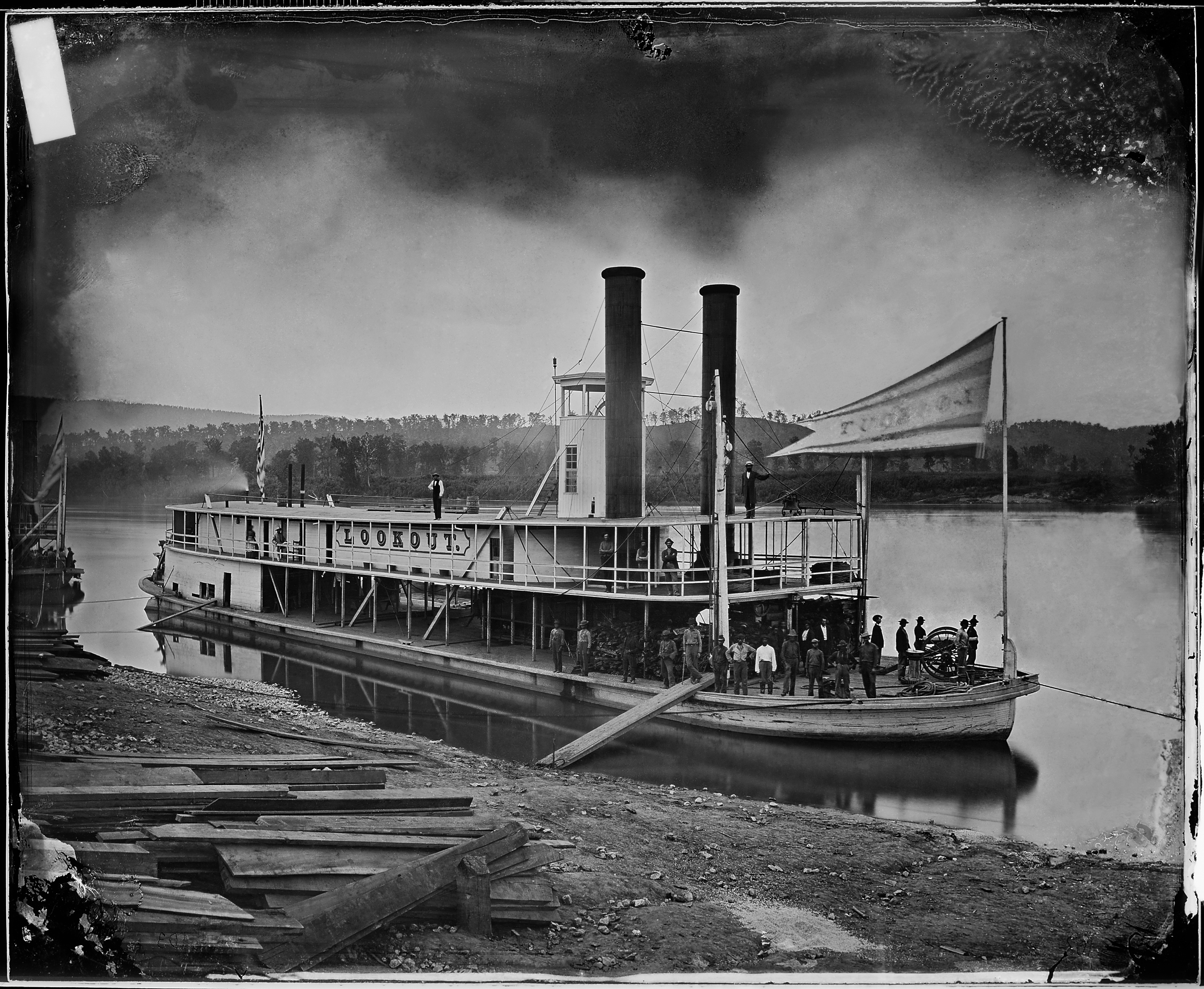
A steamboat is a vessel primarily propelled by steam power, typically driving paddlewheels or propellers, and historically used for navigation on lakes, rivers, and short-sea routes before leading to larger, ocean-going steamships. Early steamboat designs struggled with the heavy and inefficient Newcomen engines, but James Watt's improved rotary steam engines significantly enhanced their practicality. The pivotal advancement came after 1800 with high-pressure steam engines, pioneered by inventors like Richard Trevithick and Oliver Evans, which finally offered a viable power-to-weight ratio despite initial boiler safety concerns.
Further innovations in the late 19th century, such as compound steam engines and subsequently steam turbines, dramatically increased fuel efficiency, enabling less coal to be carried and fostering a boom in international trade. While earlier concepts existed, the Marquis Claude de Jouffroy is credited with building the Pyroscaphe in 1783 in France, recognized as the first documented successful steam-powered ship.
Hello from Cyprus ♥️